Syllabics





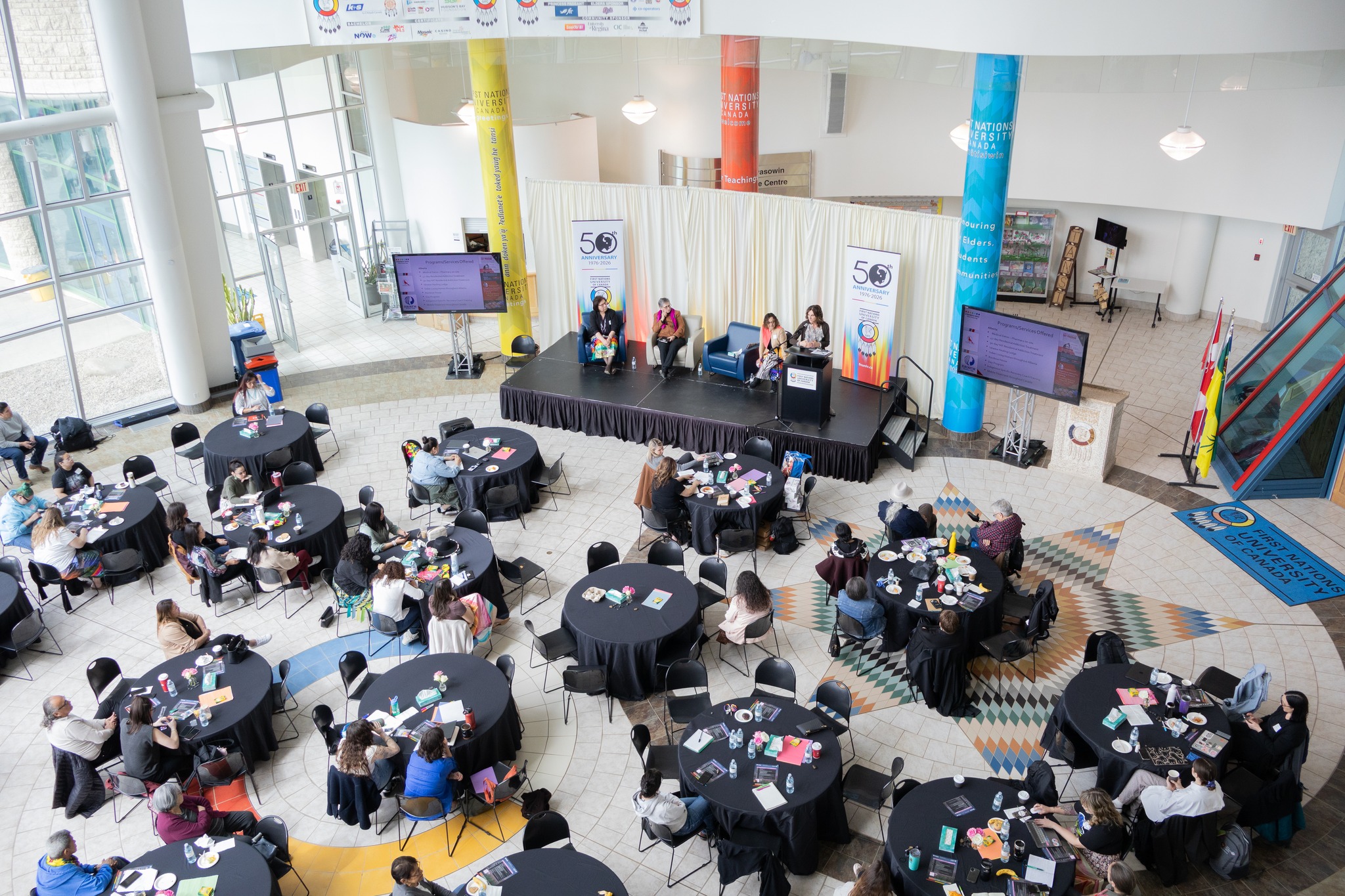
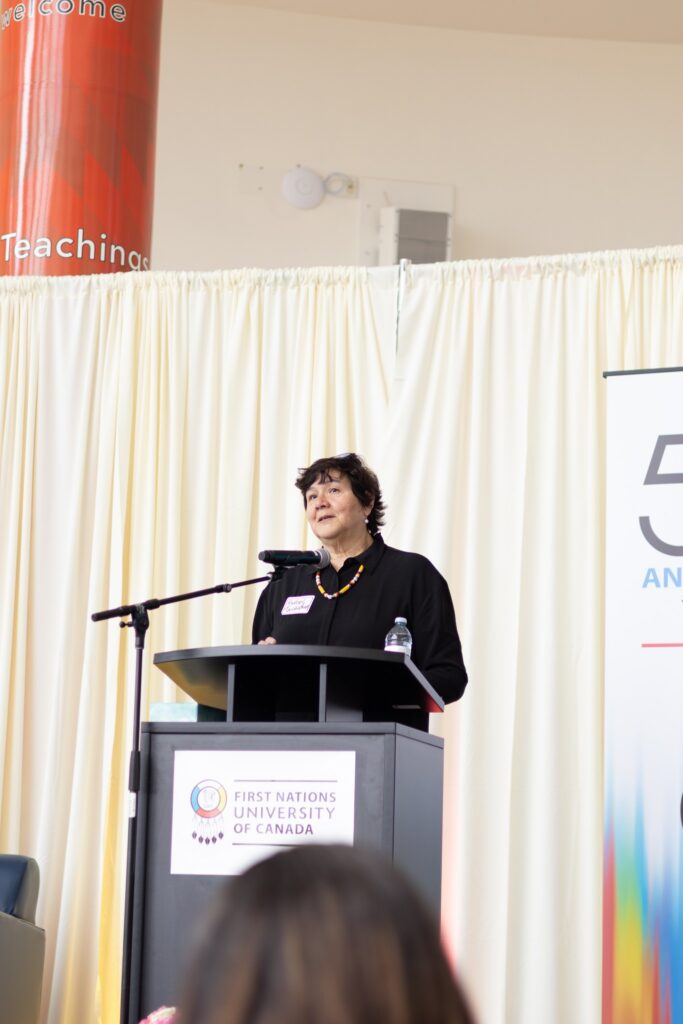
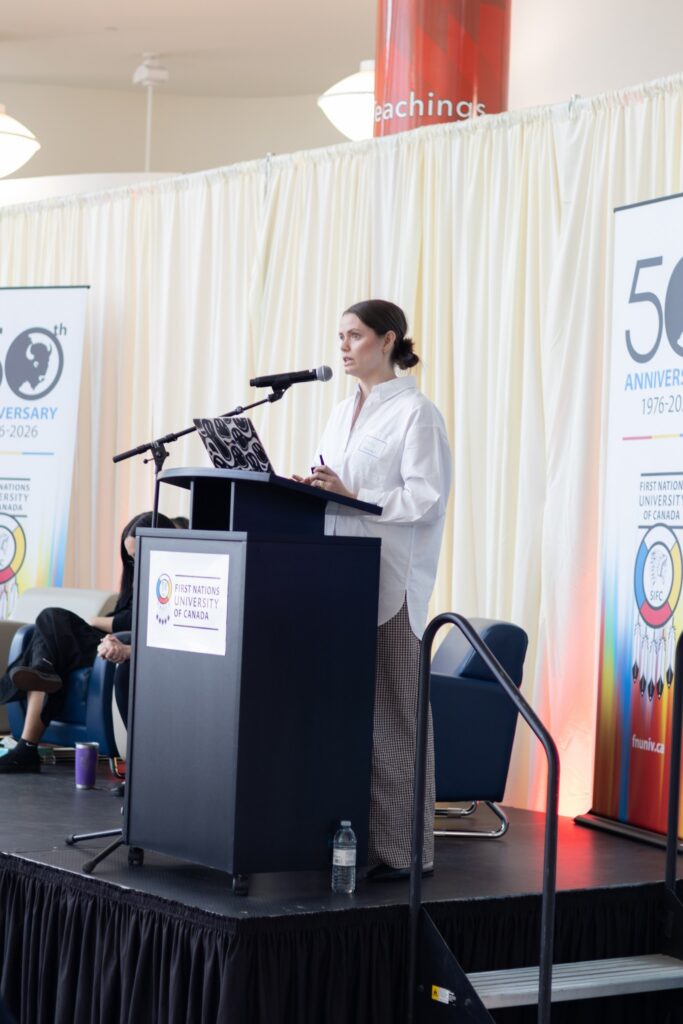
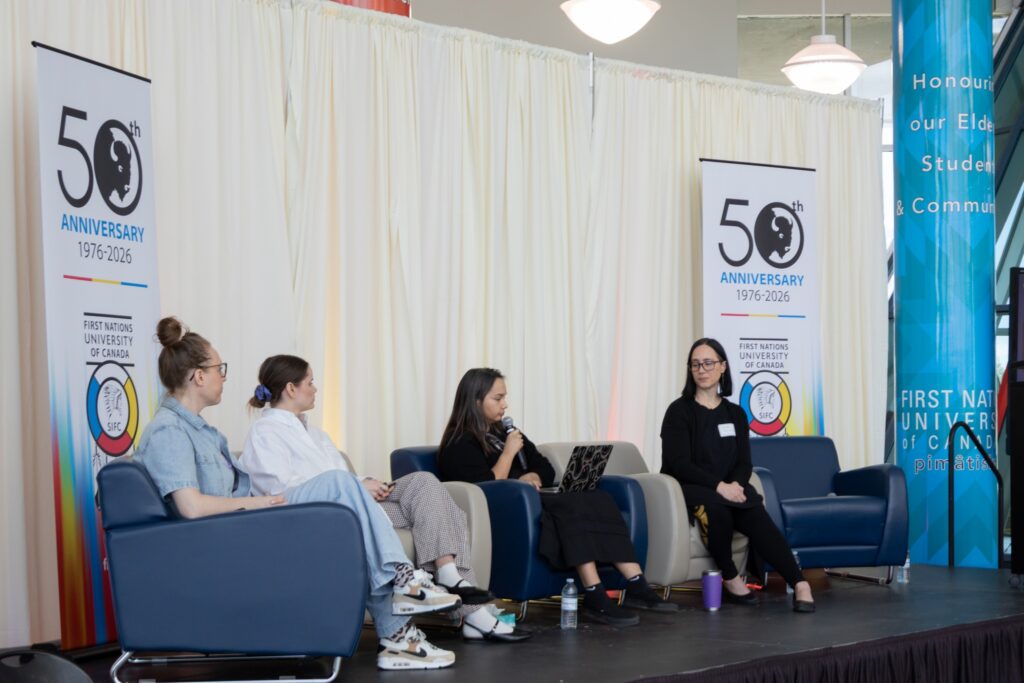
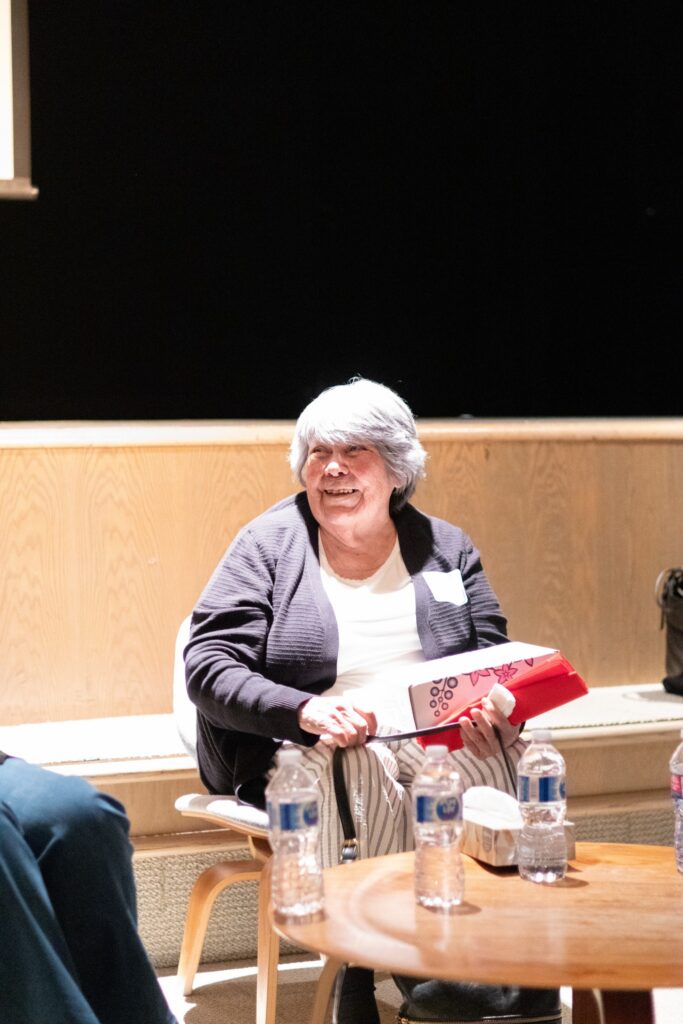
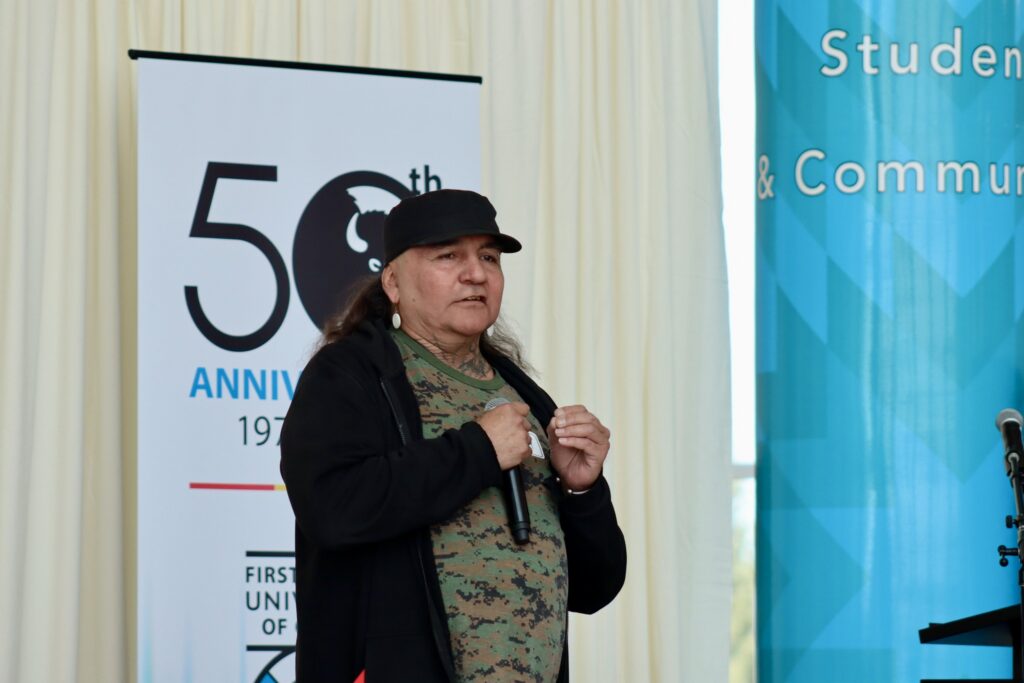
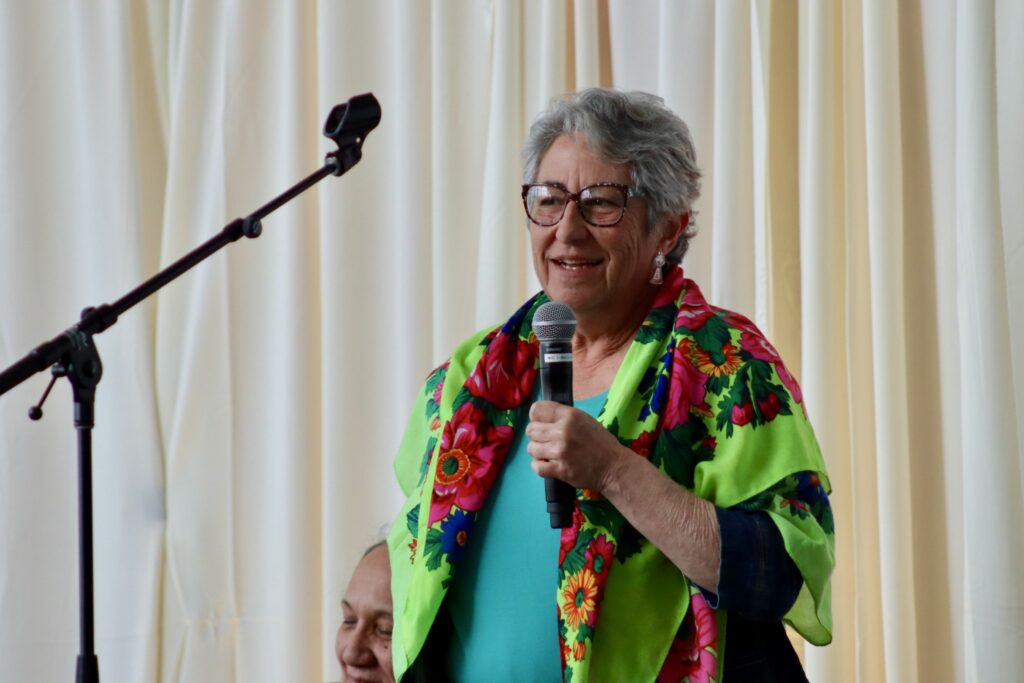
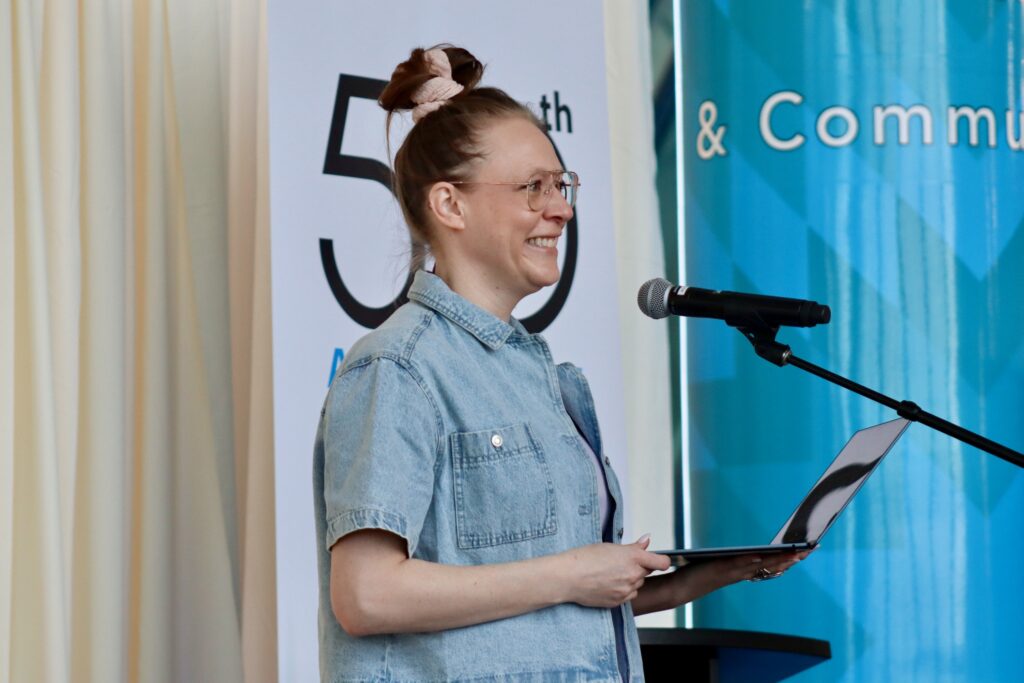
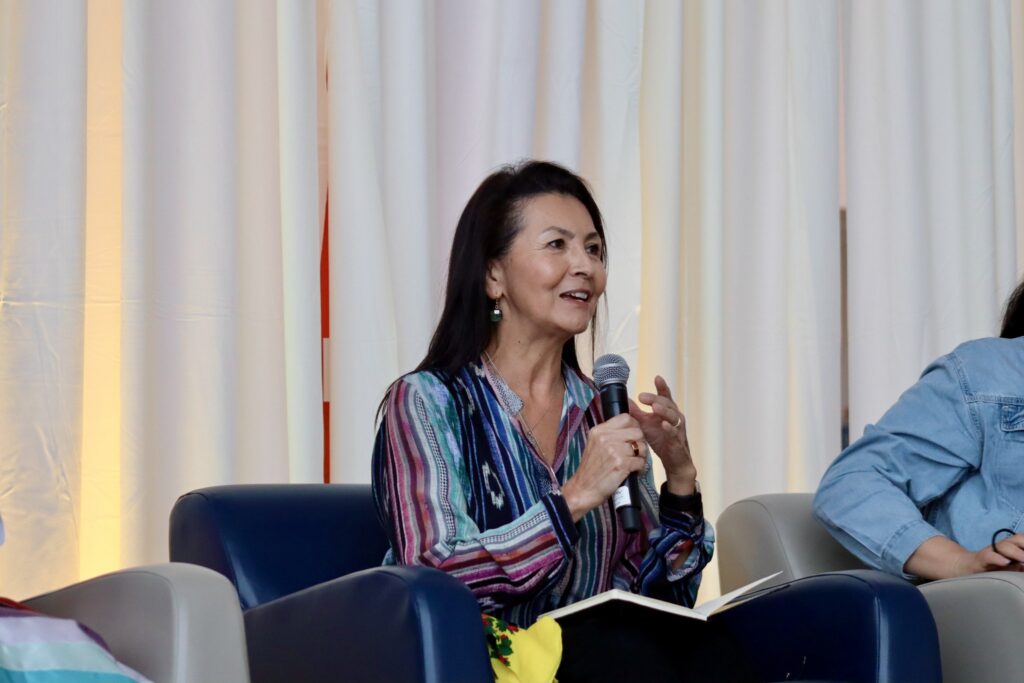
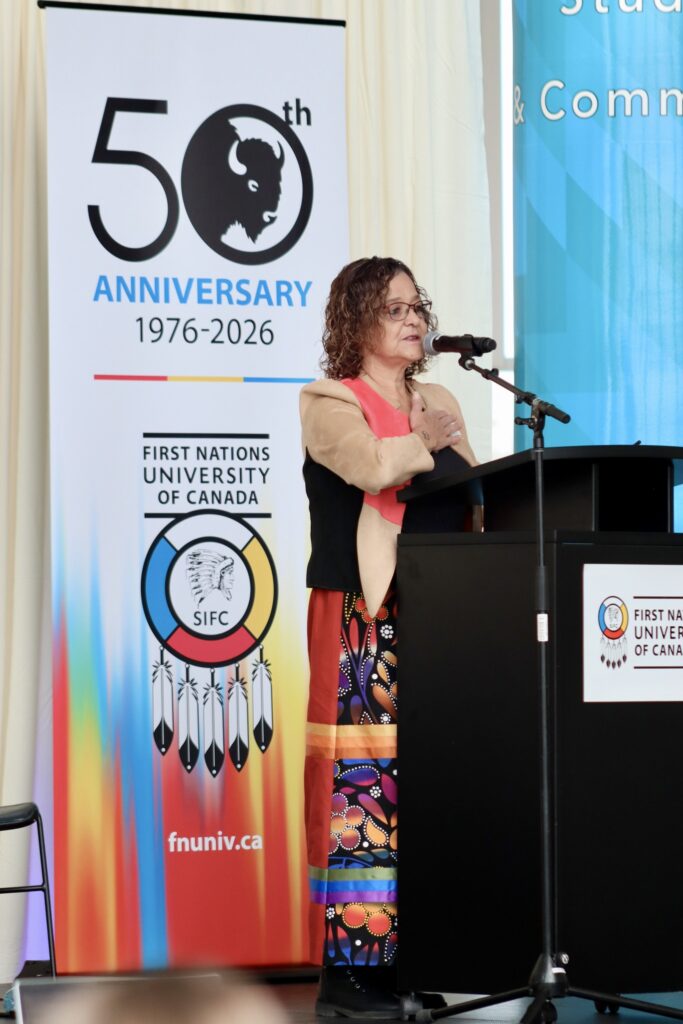
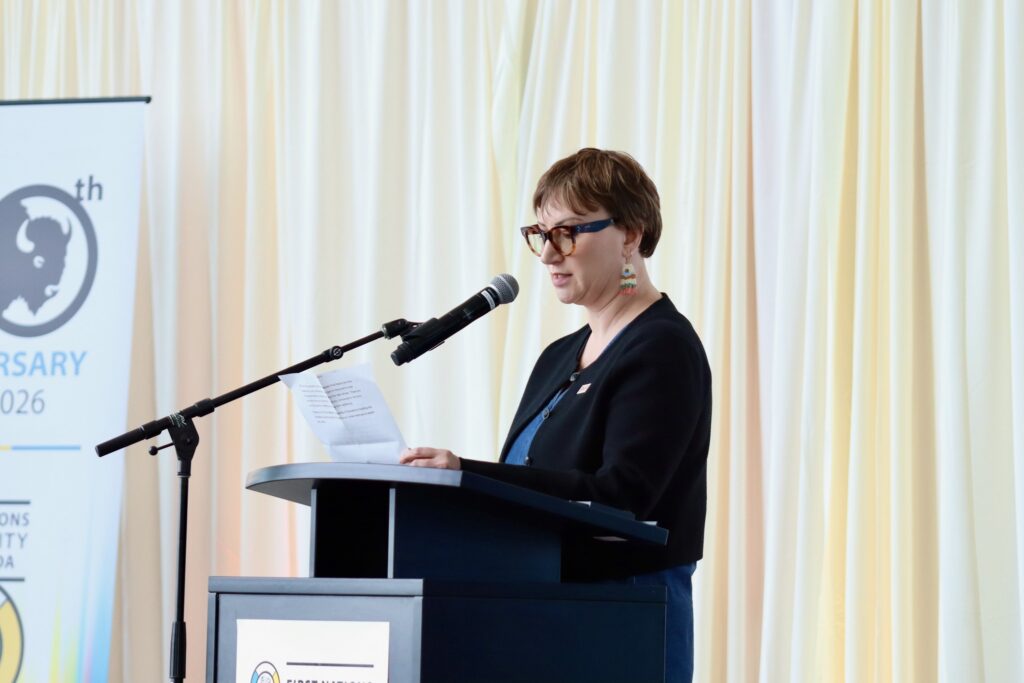
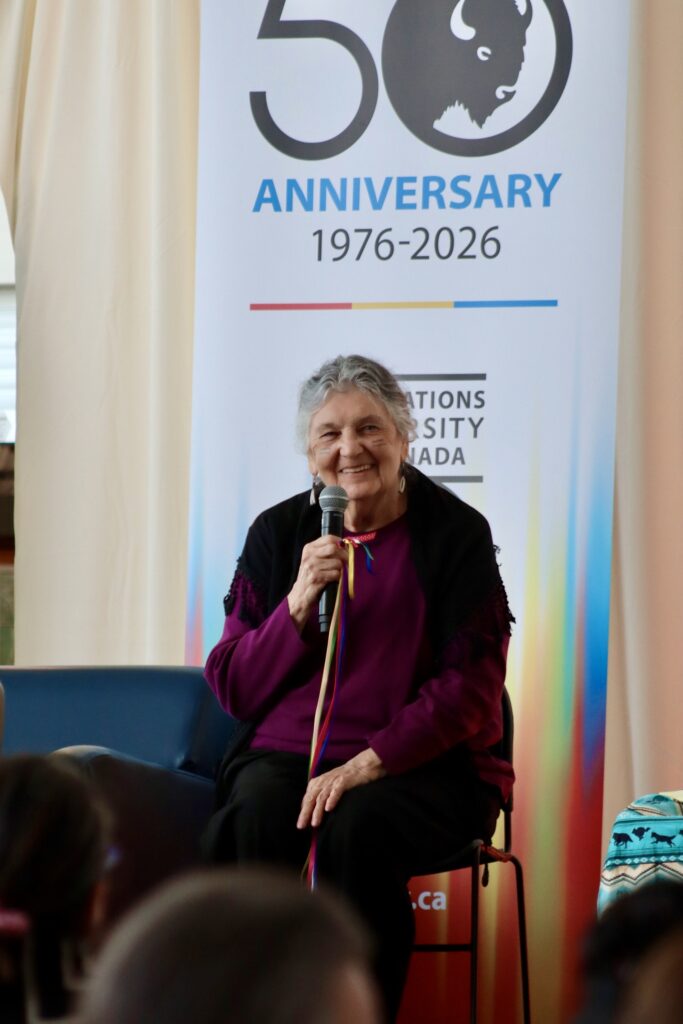
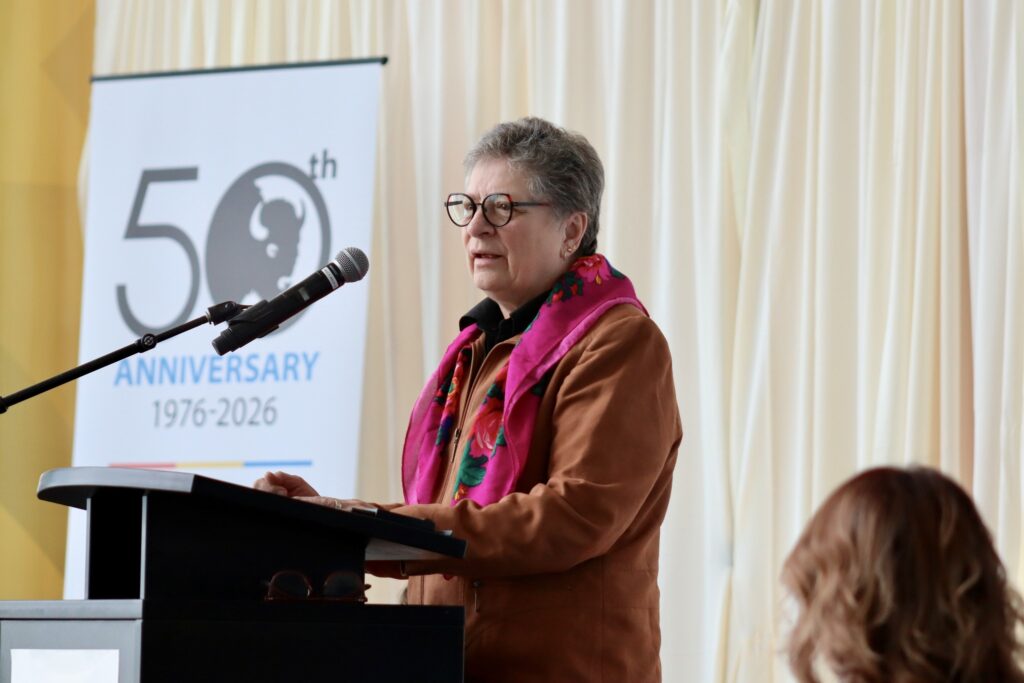
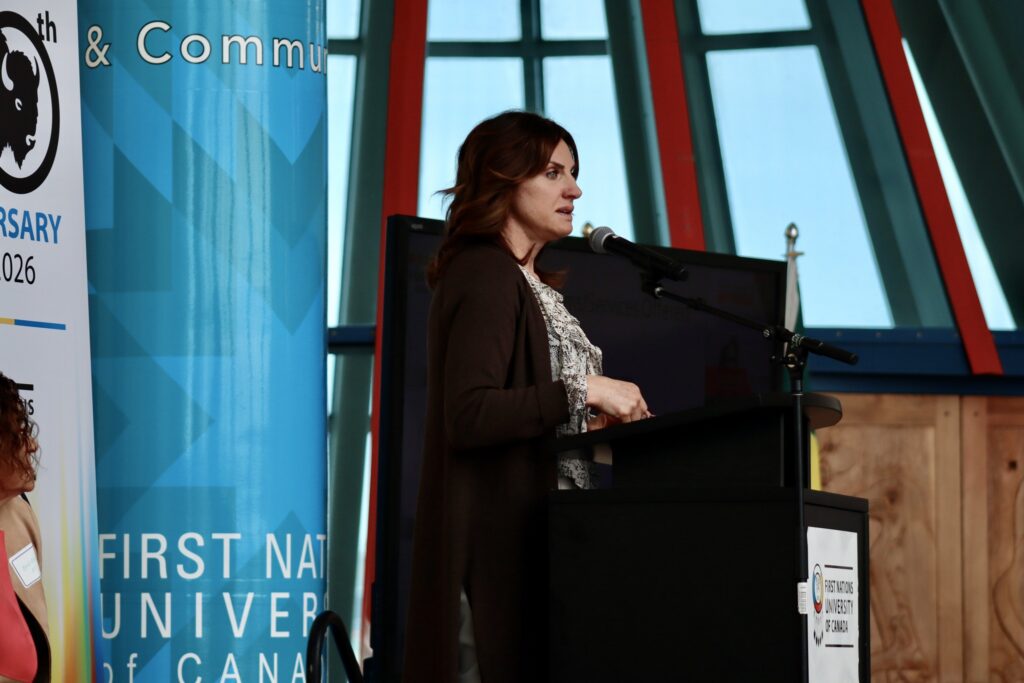
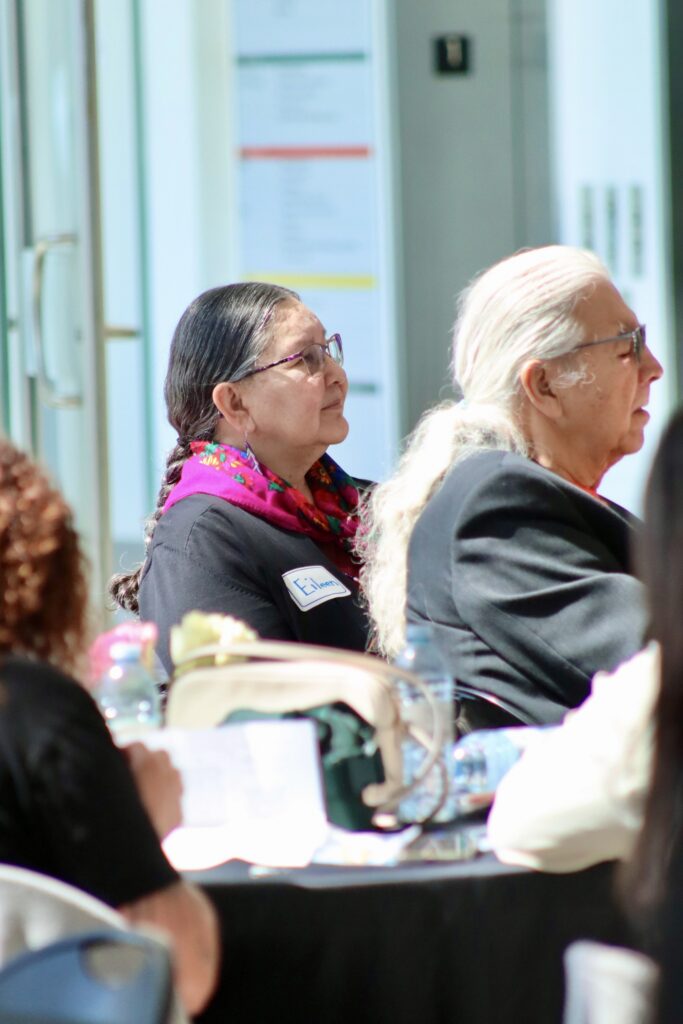
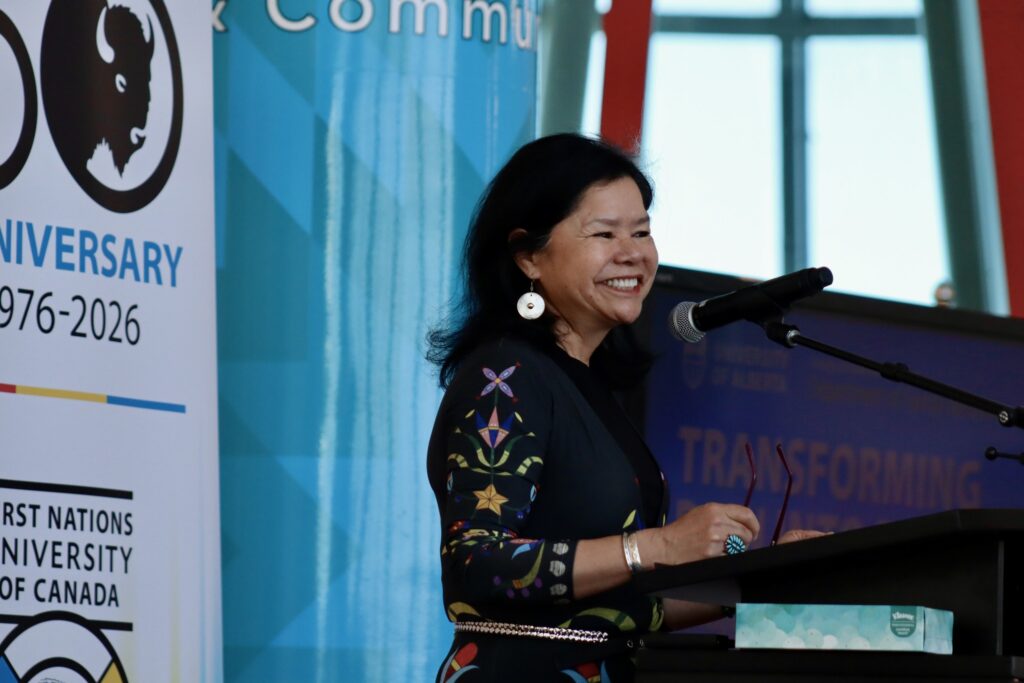
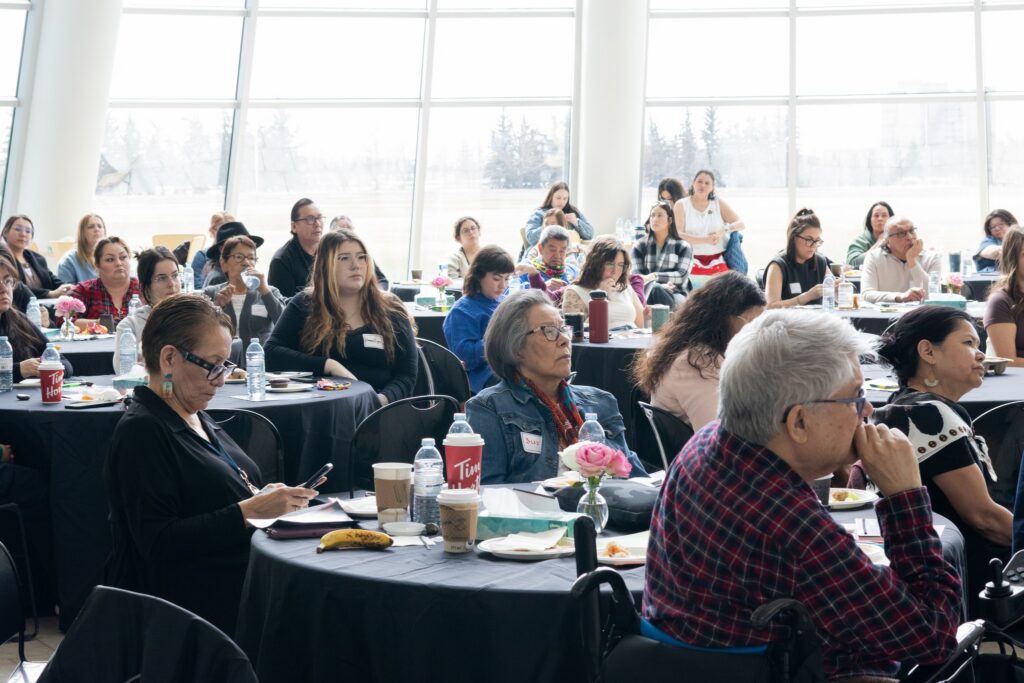
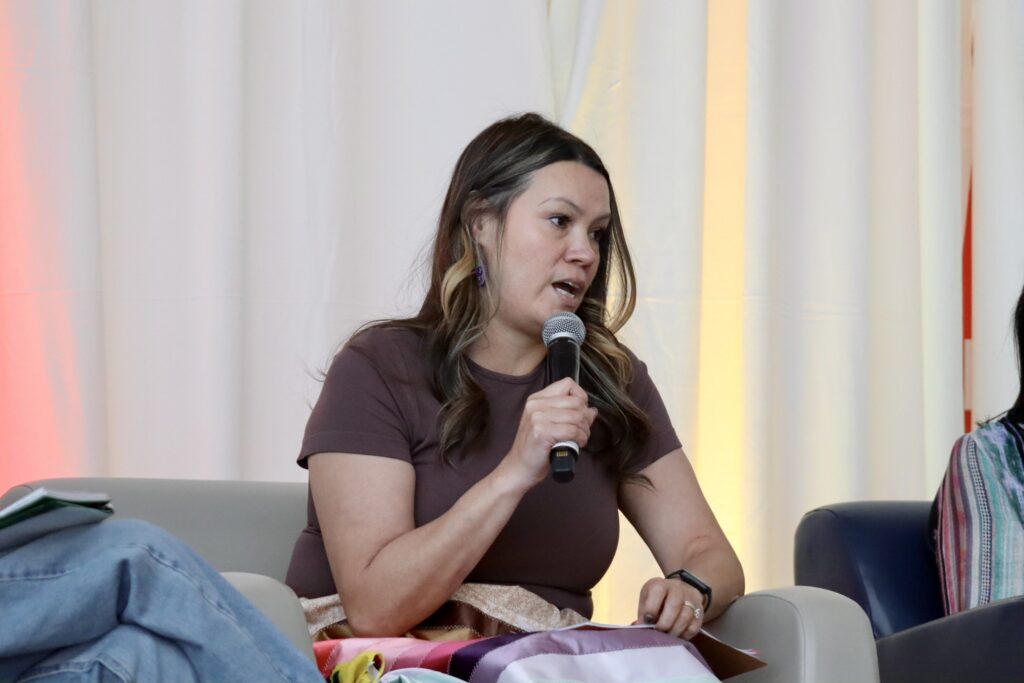
Regina, SK — On April 28 and 29, the Transforming Pain into Power with sâkihitowin & âhkamêyimowin: Responding to High-Risk Substance Use Summit brought together Knowledge Keepers, Elders, students, researchers, and community leaders for two days of reflection, learning, and connection at the First Nations University of Canada (FNUniv).
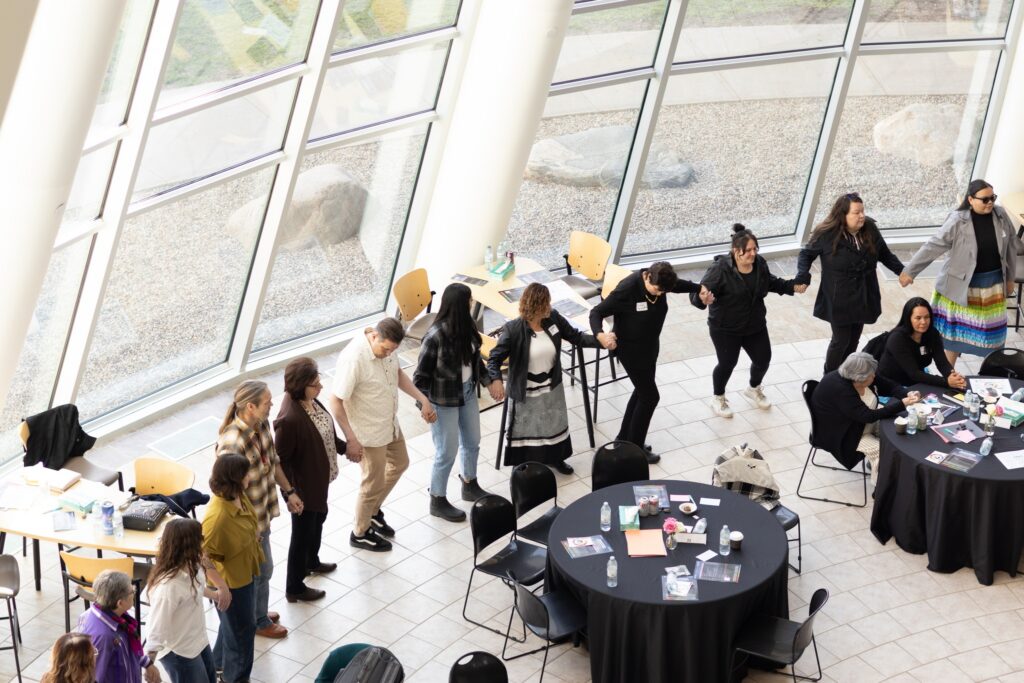
Rooted in the teachings of sâkihitowin (love) and âhkamêtimowin (resilience and perseverance), the gathering held space for many voices to sit side by side — from those working in health systems and research, to those with lived experience, to Elders and Knowledge Keepers carrying cultural teachings and ceremony. At the centre of it all was a shared commitment to responding to the toxic drug crisis through love, resilience, and community-led approaches.
Throughout the summit, speakers emphasized that healing does not come from one system or discipline alone. Instead, it emerges through relationship — between people, land, culture, and community. Conversations explored harm reduction, treatment and aftercare, safe housing, and Indigenous health research, while consistently returning to the importance of cultural grounded care and self-determination.
Lived experience played a powerful role across the gathering, with speakers sharing personal journeys of addiction, recovery, justice involvement, and healing. These stories brought forward both the realities of harm and the possibility of change, reinforcing that transformation is possible when people are met with care, dignity, and support.
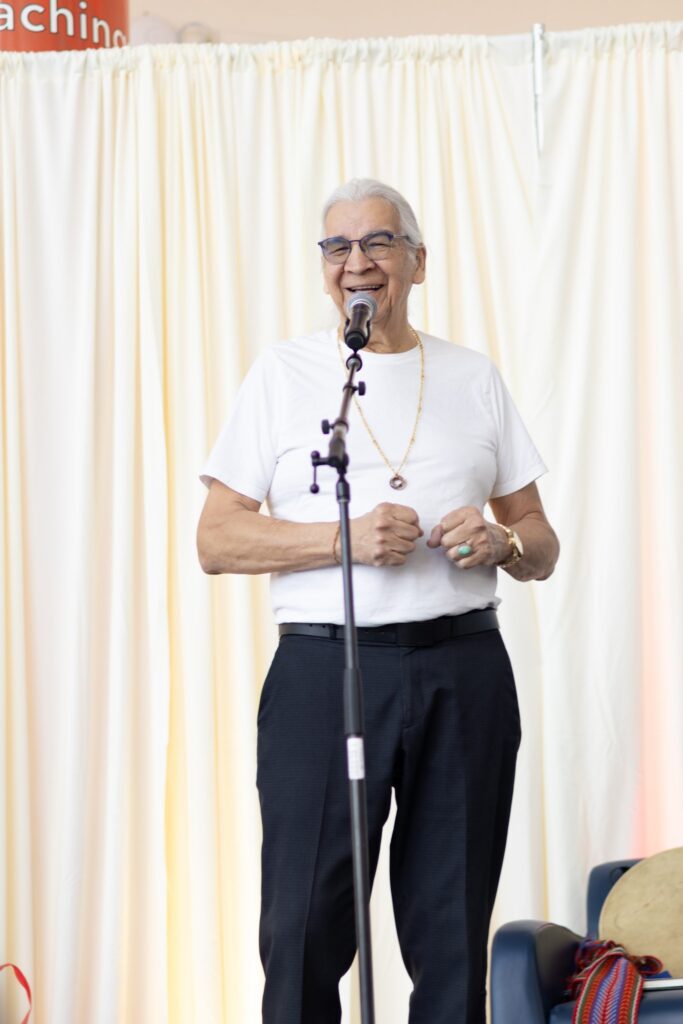
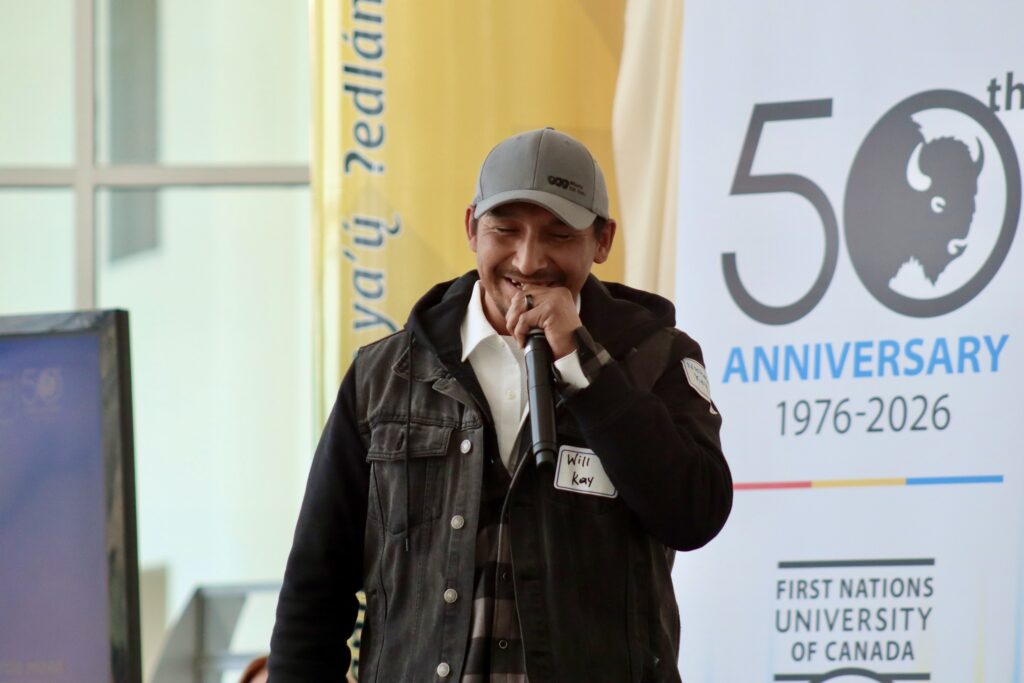
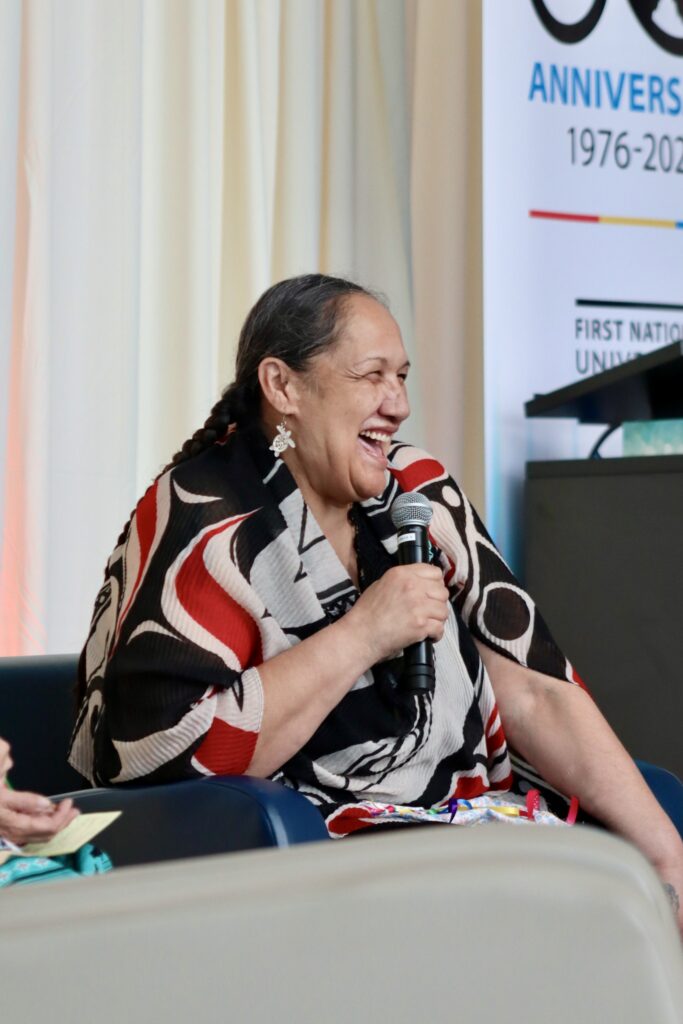
Alongside these discussions, moments of ceremony, storytelling, and humour created balance within the space. Laughter and connection were present throughout the two days, offering grounding reminders that healing is also found in joy, community, and shared humanity.
The summit concluded with reflection and gathering, leaving participants with strengthened relationships, renewed understanding, and a continued commitment to Indigenous-led pathways forward in addressing high-risk substance use.

For campus locations, maps and hours of operation, please visit our contact us page.
 (the good path through life)
(the good path through life)
(the good path through life)